
Joanna Wills
Published on 28 January 2026
Adapting for Tomorrow: Celebrating innovation, growth, and community
Discover how The Adaptavist Group's AI startup incubator, Adapting for Tomorrow, is enabling change and disruption at a global enterprise level.
In 2024, we launched The Adaptavist Group's inaugural AI startup incubator, Adapting for Tomorrow. The goal? Identify bold, transformative ideas that enable significant change and disruption at a global enterprise level.
Building a startup takes a village, so we set out to support AI startups through our partner and customer network, sharing strategic advice from world-class companies, and creating opportunities for real collaboration and growth.
Since launching, we have worked with Deaf AI and FastDoc, two Toronto startups both with unique visions, who have leveraged the Adapting for Tomorrow program to pivot strategies, build networks, reach new customers, and scale their products.
To celebrate their successes, last year we held a graduation ceremony that brought together innovators and tech enthusiasts, including aspiring and established founders, investors, product builders, and industry leaders.
What began as an ambitious idea has quickly transformed into a thriving community.
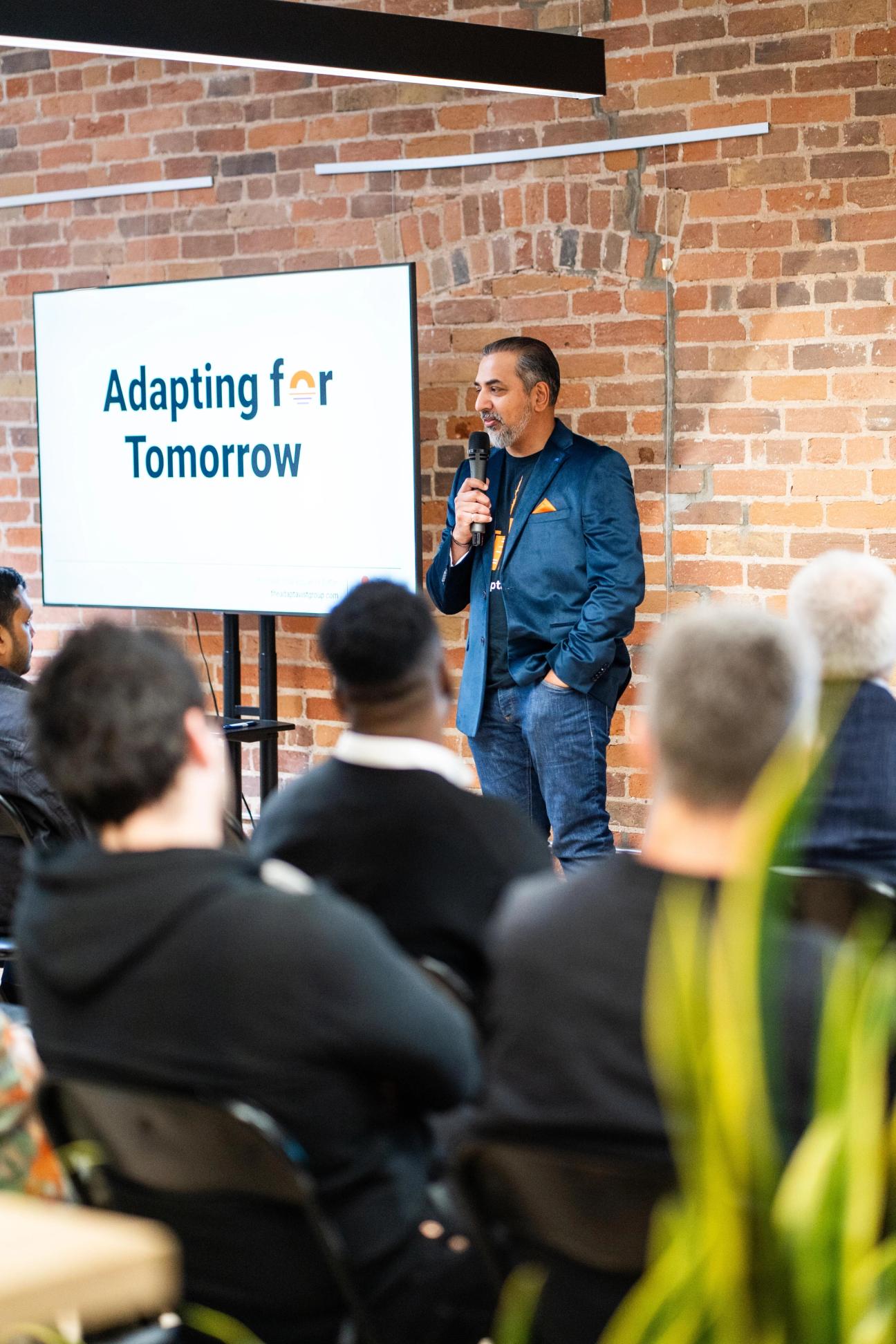
Harp Athwal, Global Head of Channel Operations at Adaptavist, addresses the audience.
Success in AI relies on clarity, quality, and purpose
"95% of GenAI projects fail."
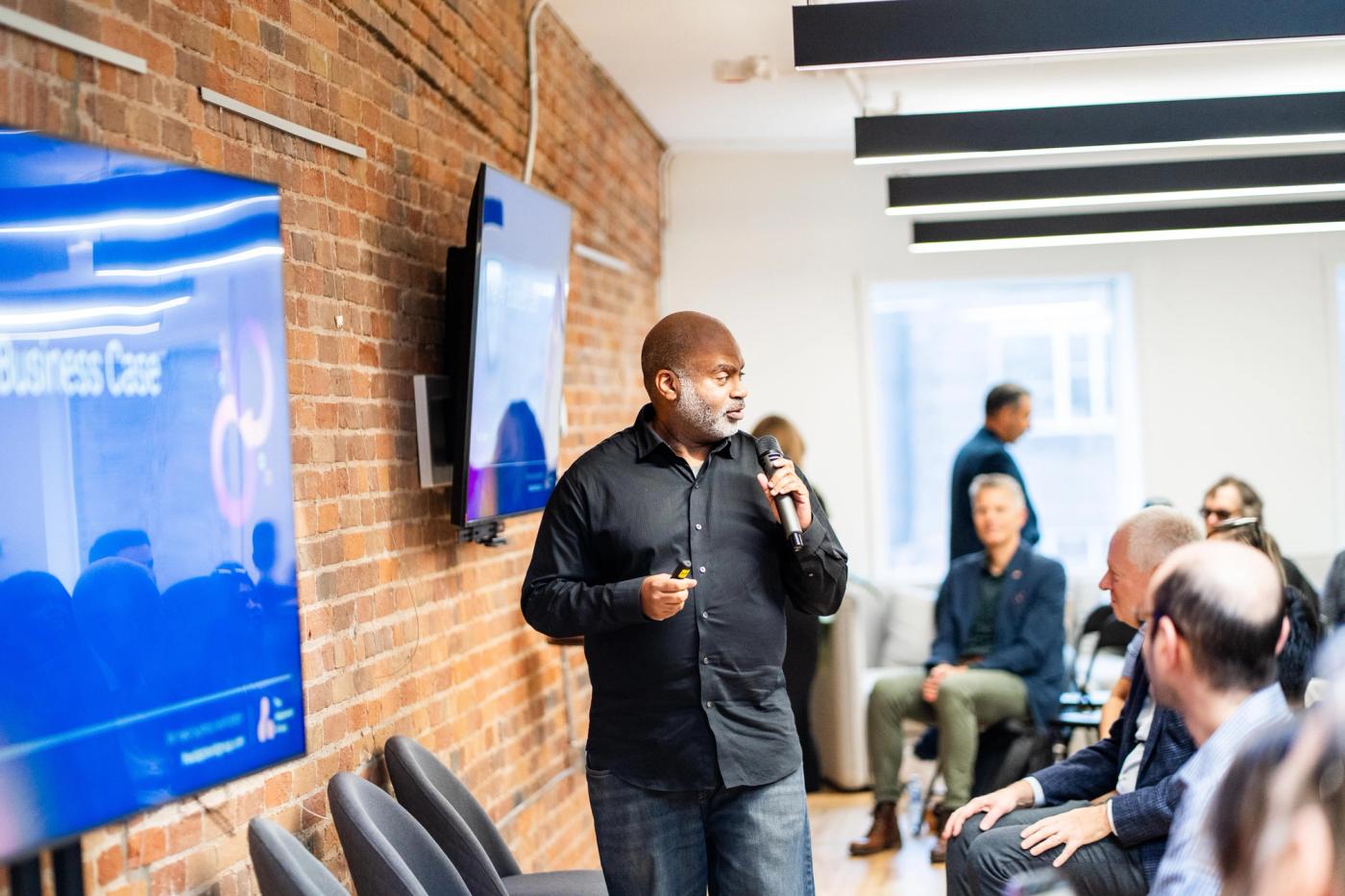
So started Rad Dockery's opening talk on the AI business case for startups.
While this number is stark on the surface, it underscores the need for startups to focus on thoughtful business alignment and mentorship. According to a Gartner report, the top priority for CEOs is, unsurprisingly, growth, followed by technology and workforce. Linking AI projects to these goals will improve a startup's chances of success.
To move from a pilot to a profitable product, founders need the ability to experiment with revenue models without being slowed down by billing and entitlement complexity. Salable supports this transition by giving teams a flexible monetisation layer they can adapt as the product and business evolve. This allows founders to test, adjust, and validate pricing quickly—turning early concepts into real revenue without adding unnecessary engineering overhead.
To move from a pilot to a profitable product, founders need the ability to experiment with revenue models without being slowed down by billing and entitlement complexity. Salable supports this transition by giving teams a flexible monetisation layer they can adapt as the product and business evolve. This allows founders to test, adjust, and validate pricing quickly—turning early concepts into real revenue without adding unnecessary engineering overhead.
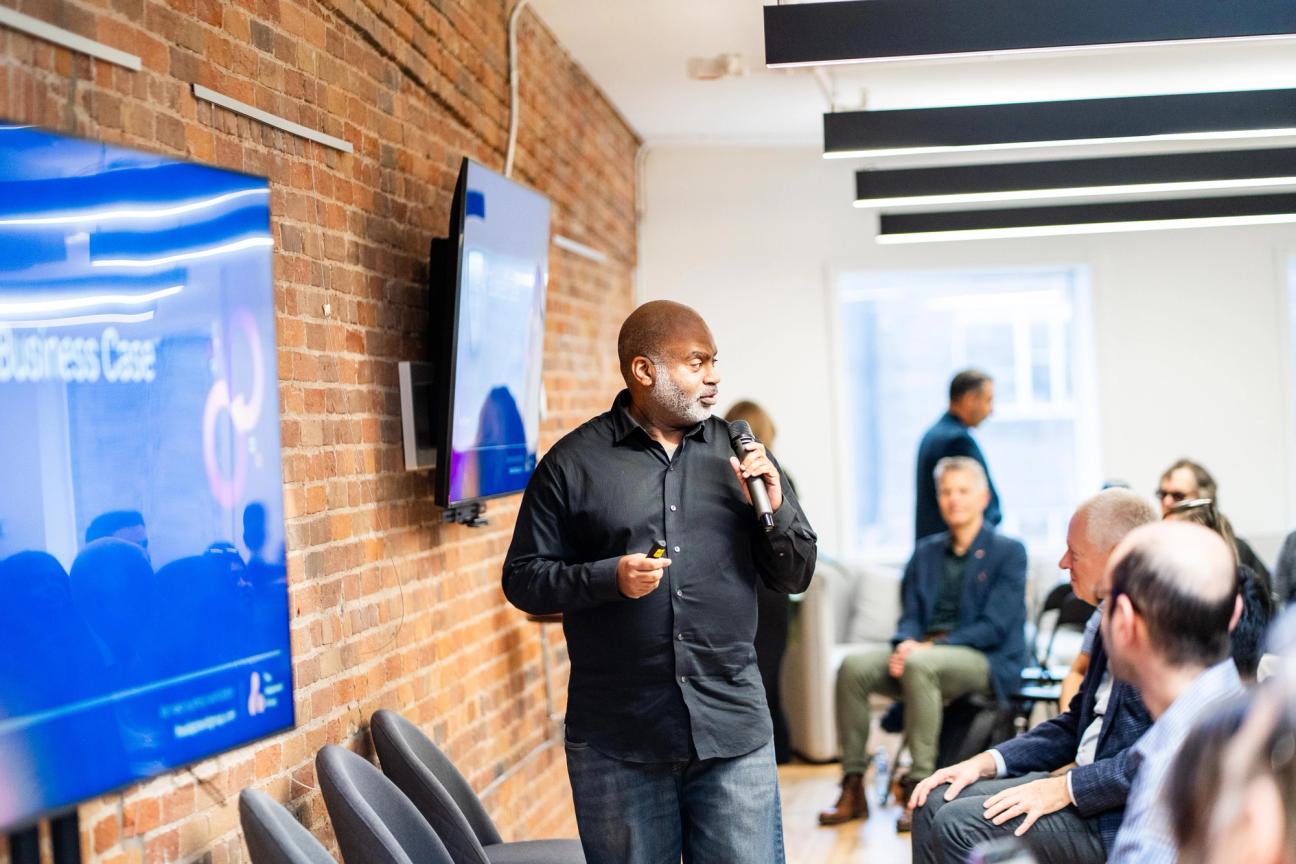
Rad Dockery is Adaptavist’s Strategic Partner Manager of Cloud & AI, and a Professor of AI Governance and Cybersecurity at Humber College.
Spotlight on the first cohort
Deaf AI: Bettering the experience for deaf people in public life and the digital world
Founded by Mehdi Masoumi, Deaf AI is developing technology to assist hard-of-hearing individuals navigate busy public spaces such as airports, transit stations, and live sports venues. Their vision is to develop digital humans as real-time sign language interpreters, translating voice to sign language to help deaf people have better experiences in the public and digital world.
Deaf AI started the program with a bold idea, one proof of concept, and a small network. The team also faced strategic challenges, having to switch their market from the US and look towards the UK, Europe and Canada.
Despite these hurdles, over the past year, Mehdi and his team have diversified their market and their product, partnering with several airports across Canada, the UK and Europe as well as building and testing their first interpreter for sports applications.
Mehdi reflected on the program during the event:
“It was absolutely memorable and one of the best experiences for Deaf AI to get amazing support. Being part of the program has opened doors, from connecting us with the right people, especially in the UK and Toronto, to amplifying our brand and offering the strategic guidance so valuable in the early stages. The collaboration and support have been so valuable in helping us achieve the goals we set at the start and navigate the changes in strategy we faced.”
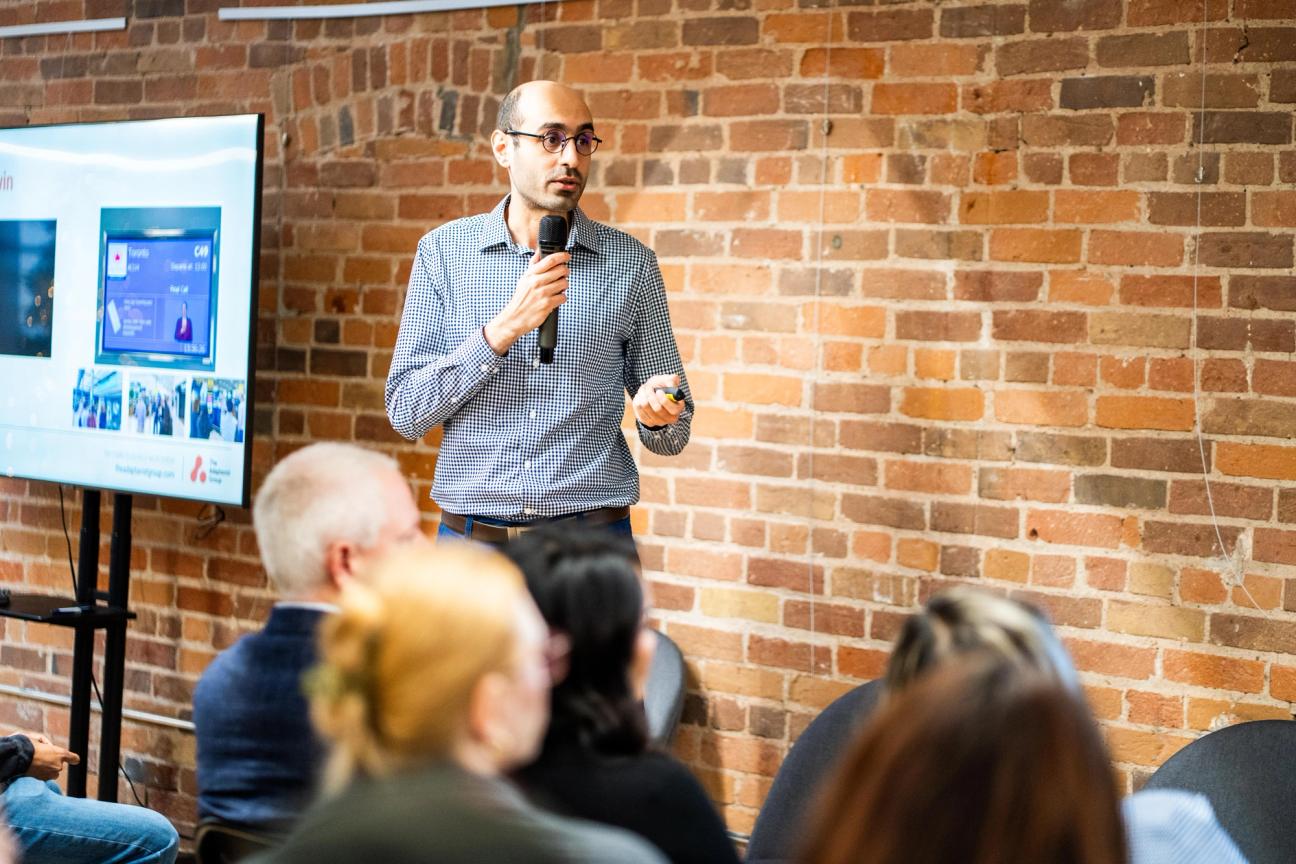
Deaf AI Founder Mehdi Masoumi speaks to the audience during the graduation ceremony.
FastDoc: Transforming business communications
Mayank Agarwal, Co-founder of FastDoc, is building an automated communications platform that helps companies save time, reduce costs, and communicate more effectively. FastDoc's vision is to transform agile team documentation with a platform that converts Jira data into comprehensive project documents.
Mayank spoke about FastDoc's tremendous growth, reflecting on how the company has evolved from 40 customers and no revenue into a commercial product shaped by insights from real users through access to Adaptavist's extensive partner and brand network.
The key takeaway from the program for Mayank is that progress in startups is rarely linear:
"The startup journey isn't about going from zero to ten right away. It's a long journey. Being part of The Adaptavist Group's startup program helped us connect with the right people and receive invaluable strategic guidance. The support from the wider team has been essential in building our brand and achieving the goals we set from the start."
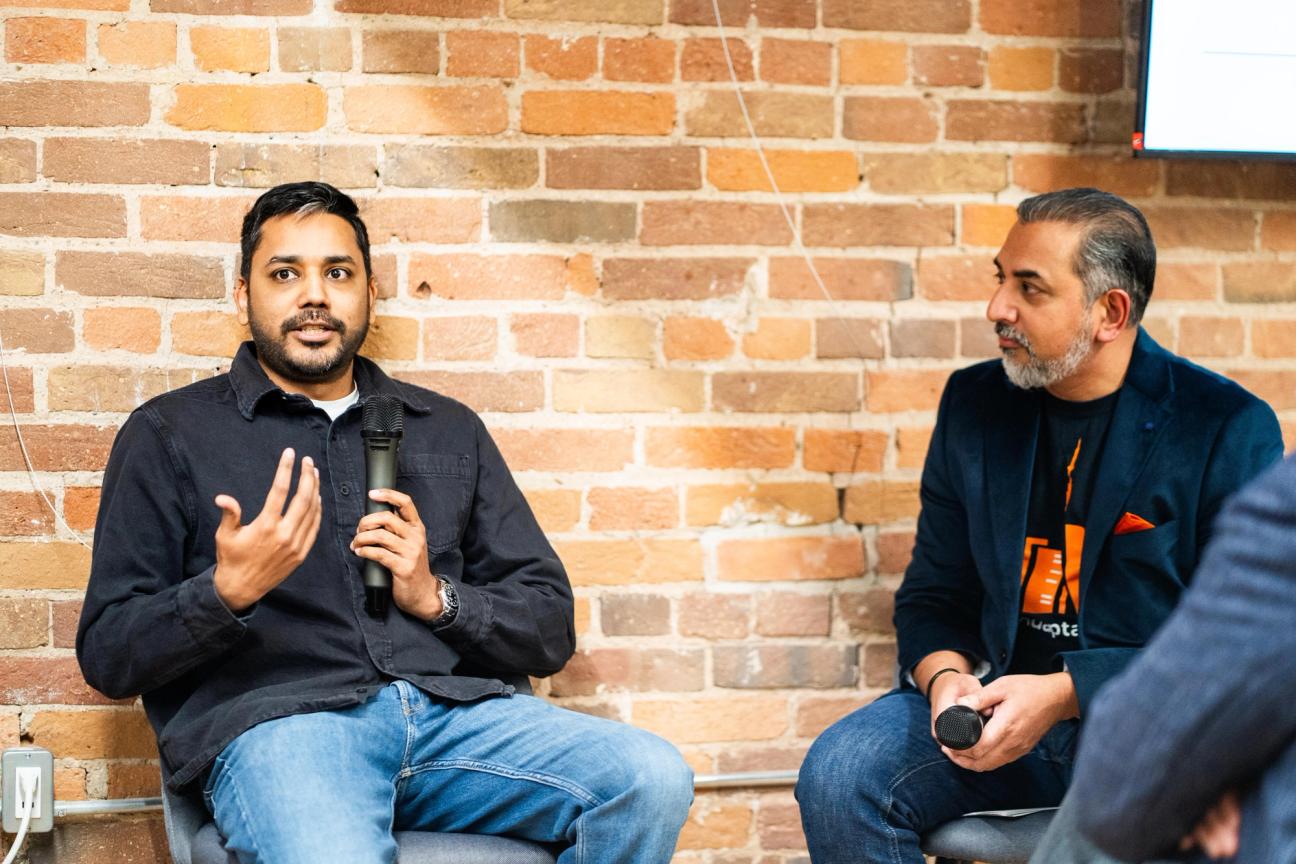
Mayank Agarwal shares FastDoc's story during the graduation ceremony.
A community to celebrate
Programs like this are possible because of community.
From the leading advisors who guided this inaugural cohort every step of the way with their expert insights, to the amazing network of partners and clients, and the broader The Adaptavist Group team, collaboration and mentorship have been instrumental in shaping this year's success stories.
And this community is only just getting started. We’re excited to continue supporting more founders who are building the future of AI.