The Adaptavist Group Logo
Impacts of AI: from manners to HR matters | Read our report now
Read more
arrow icon

Impacts of AI on the workplace: from manners to HR matters

New research uncovers how GenAI is altering perceptions and behaviours in our working lives
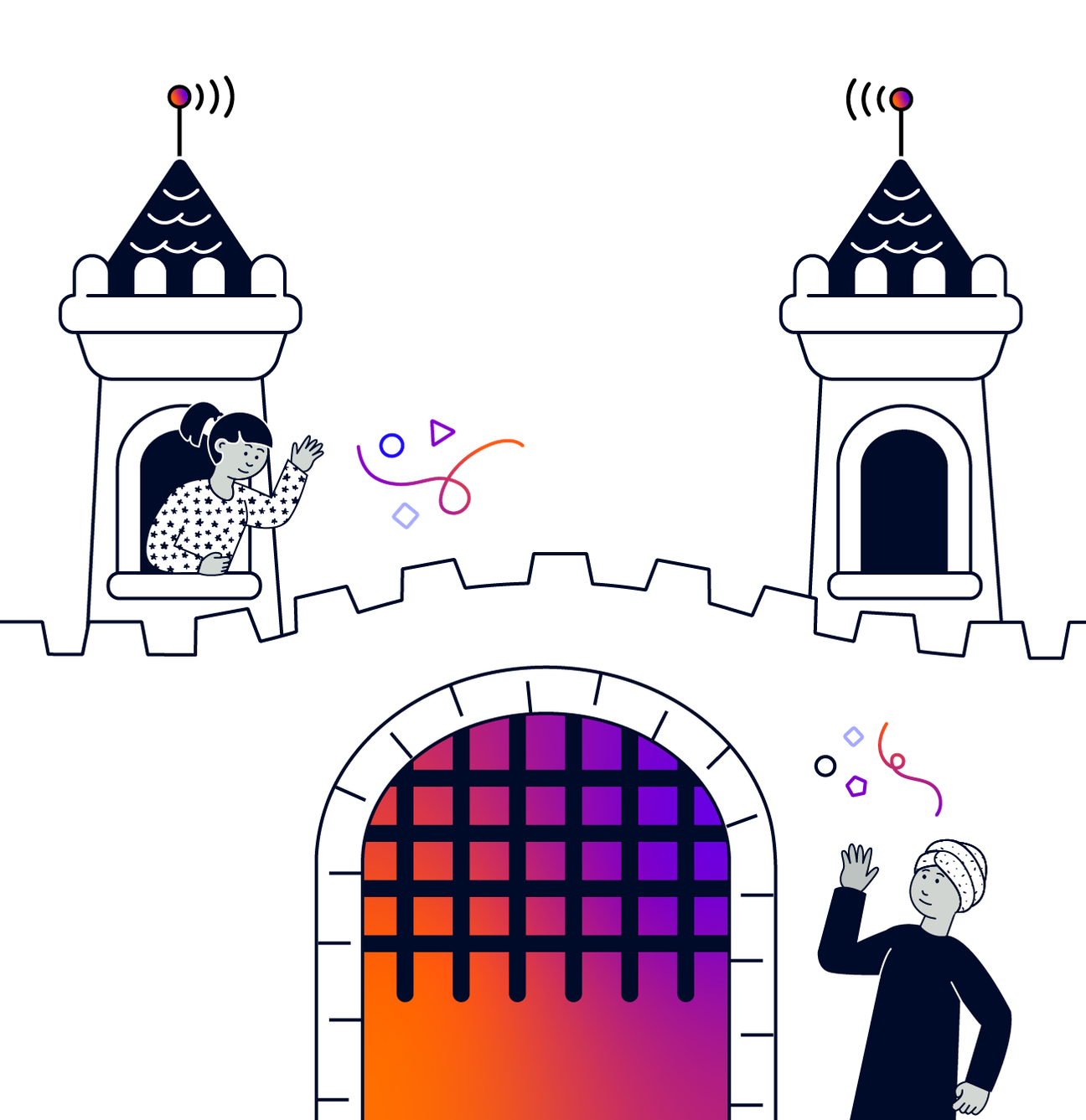
Two people chat to each other, one from up in a tower above a castle gate

Key findings

We surveyed 900 business leaders responsible for implementing AI and 4,000 knowledge workers across the UK, US, Canada, and Germany to understand the impacts of GenAI on workplace communication.
32% of workers are speaking to colleagues less since using GenAI
Men reported a steeper decline in interpersonal communication than women, with 36% saying they now speak to colleagues less, versus 28% of women. These figures make clear the seismic impact that technology could be having on workplace relationships.
Organisations where AI experimentation is encouraged see better outcomes
Half (54%) of people at these pro-experimental organisations report that AI has improved their job satisfaction, versus just 8% in organisations where AI experimentation is not encouraged. People at pro-experimental organisations also report more positive outcomes across skill development, team collaboration, and AI ROI.
One in four knowledge workers (26%) said they’d rather engage in small talk with an AI bot
This figure rises to 32% among business leaders responsible for AI deployment, and the preference for an AI chatbot for ‘small talk’ is particularly strong among younger professionals aged 25-44 (30%), compared with just 15% of those over 55.
35% of workers believe they’re 'addicted' to using GenAI
Neal Riley, AI Innovation Lead
We’re seeing a shift in how work gets done and how people connect and communicate. Evidently, AI can make us more efficient and articulate, but it also risks eroding some soft skills and driving a wedge between human interaction.
Neal Riley
AI Innovation Lead, The Adaptavist Group

Skills: Is AI creating advantage or atrophy?

Gaining
68%
Declining
29%
When it comes to AI’s impact on skills, the picture is divided. 68% of workers believe that AI is helping them develop their skills, whilst 29% of workers worry that their abilities are declining due to reliance on AI.

Which skills are strengthening?

In amongst this mixed bag of skills perceptions, some clear signals emerged about skills that people generally felt were growing with AI assistance.
Skill% of respondents reporting growth in the skill thanks to AI
Writing62
Critical thinking47
Design41
Coding38

How can organisations influence their AI outcomes?

The research underscores that organisational culture, not technology or the level of investment in it, is the true differentiator in AI success. Comparing responses from those who felt their companies actively encouraged responsible experimentation and learning with those who did not feel this way, there are markedly stronger positive outcomes amongst the pro-experimentation crowd.
This suggests that, with the proper enablement and approaches, organisations can positively influence these outcomes.
Here's a look at how the two cultural approaches generate different outcomes:
Positive outcomeIn a pro-experimentational cultureNot in a pro-experimentational culture
Skill development89% agreed59% agreed
Greater job satisfaction54% agreed8% agreed
Improved team collaboration68% agreed23% agreed
Return on investment from AI73% agreed36% agreed
Neal Riley, AI Innovation Lead
The key to achieving a culture where AI use remains healthy and work-conducive is one which encourages responsible AI experimentation, and has a framework for measuring success.

Neal Riley
AI Innovation Lead, The Adaptavist Group

Politeness and clarity: a trade-off?

AI is changing how and when people speak to one another, both for better and for worse.
49%
of workers say they now speak more succinctly
55%
of workers believe colleagues communicate more clearly
65%
of workers report clearer writing since adopting AI tools
26%
of workers admit to being less polite since using GenAI.
39%
of leaders responsible for implementing AI feel they are now less polite
48%
of leaders responsible for AI implementation now consult AI on legal or policy issues
41%
of leaders responsible for AI implementation use it for HR-related matters
35%
of workers believe they're addicted to using AI
26%
of workers would rather engage in small talk with AI over a human
Carolyn Freeman, CyberPsychologist
Interactions with AI can feel more private, contained and forgiving, giving employees space to vent frustrations, explore ideas or rehearse difficult conversations without fear of damaging performance reviews or workplace reputations.

Carolyn Freeman
CyberPsychologist

Want to ensure that your AI culture is a positive one?

Adaptavist, part of The Adaptavist Group, offers a half-day AI Essentials training workshop. Reach out via this form, and we'll get back in touch shortly.
A person descends some stairs waving a bell and announcing positive results with an upward trending chart.

Workplace divides created by AI and how to combat them

Check out our previous research findings on the impacts of AI adoption from a survey of 4,000 knowledge workers across the UK, USA, Canada, and Germany.